
Sports injuries — explained

Almost every athlete will experience an injury at some point. Some injuries occur suddenly due to a fall, collision, or awkward movement, while others develop gradually after extended periods of exertion. Despite their differences, all injuries result from the body’s tissues being subjected to more stress than they can tolerate. Sports injuries can affect muscles, ligaments, tendons, bones, joints, and the brain. Some heal within days, while others require surgery and extended rehabilitation. In addition to physical damage, injuries may interrupt training, reduce performance, and increase the risk of future issues if athletes return to sport prematurely. And understanding what sports injuries are and why they occur is the first step toward prevention.
What is a sports injury?
A sports injury is damage to the body’s tissues caused by physical activity during training or competition. Although often linked to professional athletes, these injuries can affect anyone who participates in sports or regular exercise. Most sports injuries fall into one of two broad categories.
This distinction matters because acute and overuse injuries have different causes and often require distinct approaches to diagnosis, treatment, and rehabilitation. For example, an athlete who tears a ligament in a single movement faces a different challenge than one who develops Achilles tendinopathy after months of repetitive training.
How are sports injuries tracked. Most knowledge about sports injuries comes from large surveillance systems that gather data from athletes, teams, and medical staff over extended periods. These databases help researchers identify trends, compare sports, and assess the effectiveness of prevention strategies. Several organizations have created standardized systems for recording sports injuries. The NCAA Injury Surveillance Program (NCAA-ISP) collects data from universities across the United States. FIFA has established injury reporting methods widely used in football research and professional competitions. The International Olympic Committee (IOC) has developed guidelines to improve the recording of injuries and illnesses during major sporting events and research studies. While these systems vary in the sports they cover and their methods, they share the goal of collecting reliable, standardized data. This information helps researchers and medical professionals understand why injuries occur, identify at-risk athletes, and improve prevention programs. However, injury statistics should be interpreted with caution, as differences in reporting methods, injury definitions, and athlete populations can affect results.
Not every injury fits neatly into one category. Some begin as overuse injuries and then become acute, while others result from both repeated loading and a single high-force movement. Understanding how an injury develops is often as important as identifying the damaged tissue.
Not all sports injuries are the same
Sports injuries contain a broad range of conditions affecting various tissues. Although symptoms and severity differ, most injuries fall into several main categories.
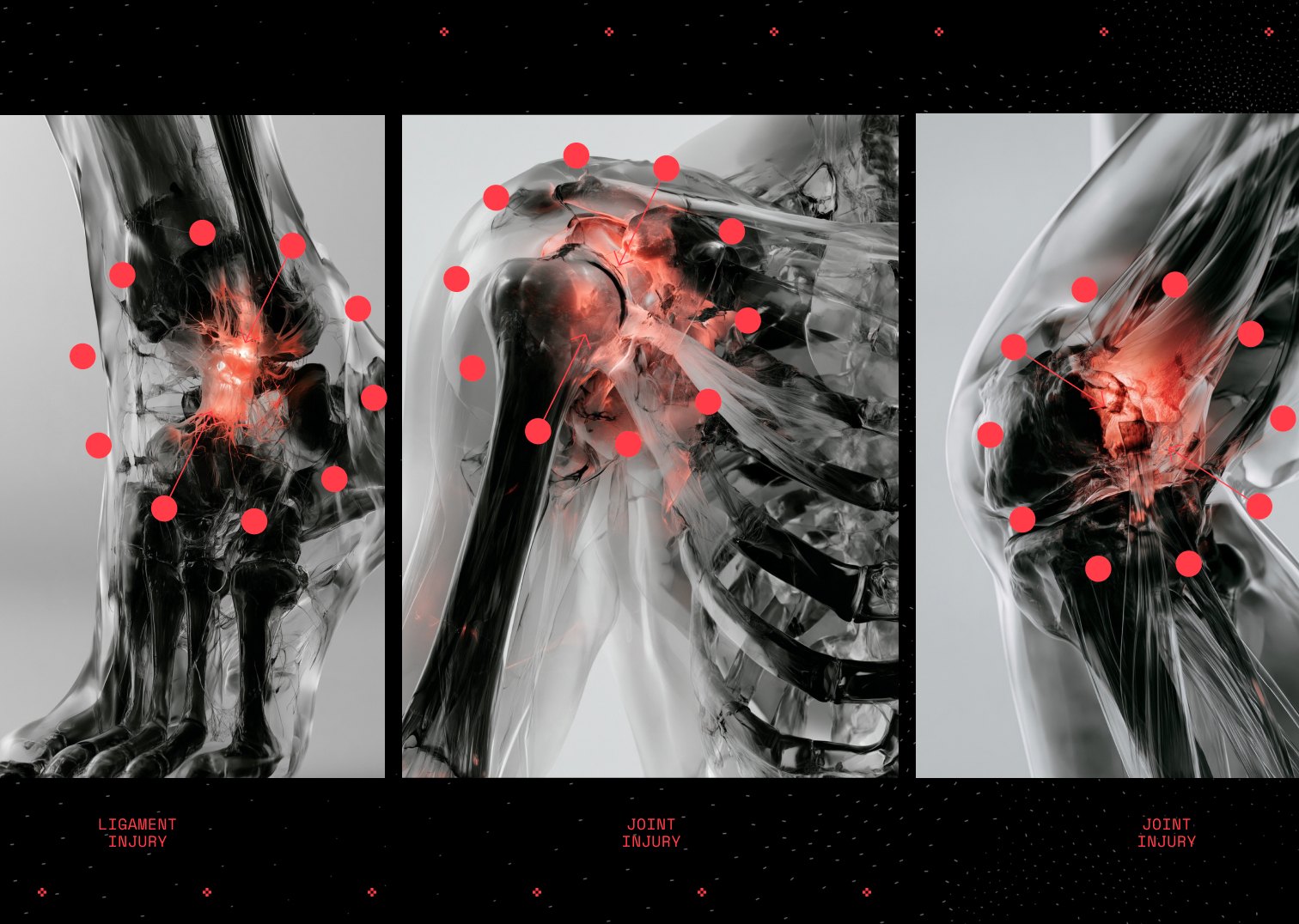
Muscle injuries. Muscle strains and tears are common in sports, often occurring when a muscle must generate significant force while lengthening. Hamstring, quadriceps, and calf injuries frequently affect athletes who sprint, jump, or accelerate rapidly. Muscle injuries range from minor strains affecting a few fibers to complete tears that require prolonged rehabilitation. Muscle injuries are the most frequent cause of physical disability in sports practice. It is estimated that between 30 and 50% of all sports-associated injuries are caused by soft tissue injuries.
Ligament injuries. Ligaments connect bones and stabilize joints. They may stretch or tear if a joint moves beyond its normal range of motion. Common examples include ankle sprains and knee ligament injuries, especially to the anterior cruciate ligament (ACL). These often result from sudden changes in direction, awkward landings, or direct contact.
Bone injuries. Bone injuries may develop suddenly or over time. Acute fractures usually result from falls, collisions, or direct impacts. Stress fractures develop gradually when repeated loading causes microscopic damage faster than the bone can repair. These are especially common in runners, gymnasts, and endurance athletes. Fractures account for 20.6% of all sports-related injuries treated in emergency departments, making them one of the most common serious consequences of athletic activity. Their annual incidence is estimated at 1.51 emergency department visits per 1,000 people.
Tendon injuries. Tendons connect muscles to bones and are often affected by repetitive loading. Over time, repeated stress can cause tendon degeneration and pain, known as tendinopathy. Examples include Achilles tendinopathy, patellar tendinopathy (“jumper’s knee”), and lateral epicondylitis (“tennis elbow”). Unlike acute injuries, these conditions often develop gradually and may persist for months if not properly managed.
Concussions and head injuries. Concussions are among the most serious sports injuries because they affect the brain rather than the musculoskeletal system. Concussions most often occur in contact sports such as rugby, hockey, American and European football, boxing, and martial arts. Symptoms include headaches, dizziness, memory problems, and difficulty concentrating. Some athletes may experience symptoms that persist long after the initial injury.
Combined injuries. Some injuries affect multiple tissues. For example, a severe knee injury may involve ligaments, cartilage, bone, and muscles. Combined injuries are often more complex to diagnose and treat because several structures contribute to pain, instability, and reduced function. Although these injury categories differ in cause and treatment, they share a common feature: each occurs when physical demands exceed the body’s ability to cope.
Who is most at risk of sports injuries?
By sport
Each sport places unique physical demands on the body, resulting in specific injury patterns.
- European football: hamstring strains, ankle sprains, ACL injuries, groin injuries.
- Track and field: hamstring strains, calf injuries, Achilles tendinopathy, stress fractures.
- Basketball: ankle sprains, ACL injuries, muscle strains, finger injuries.
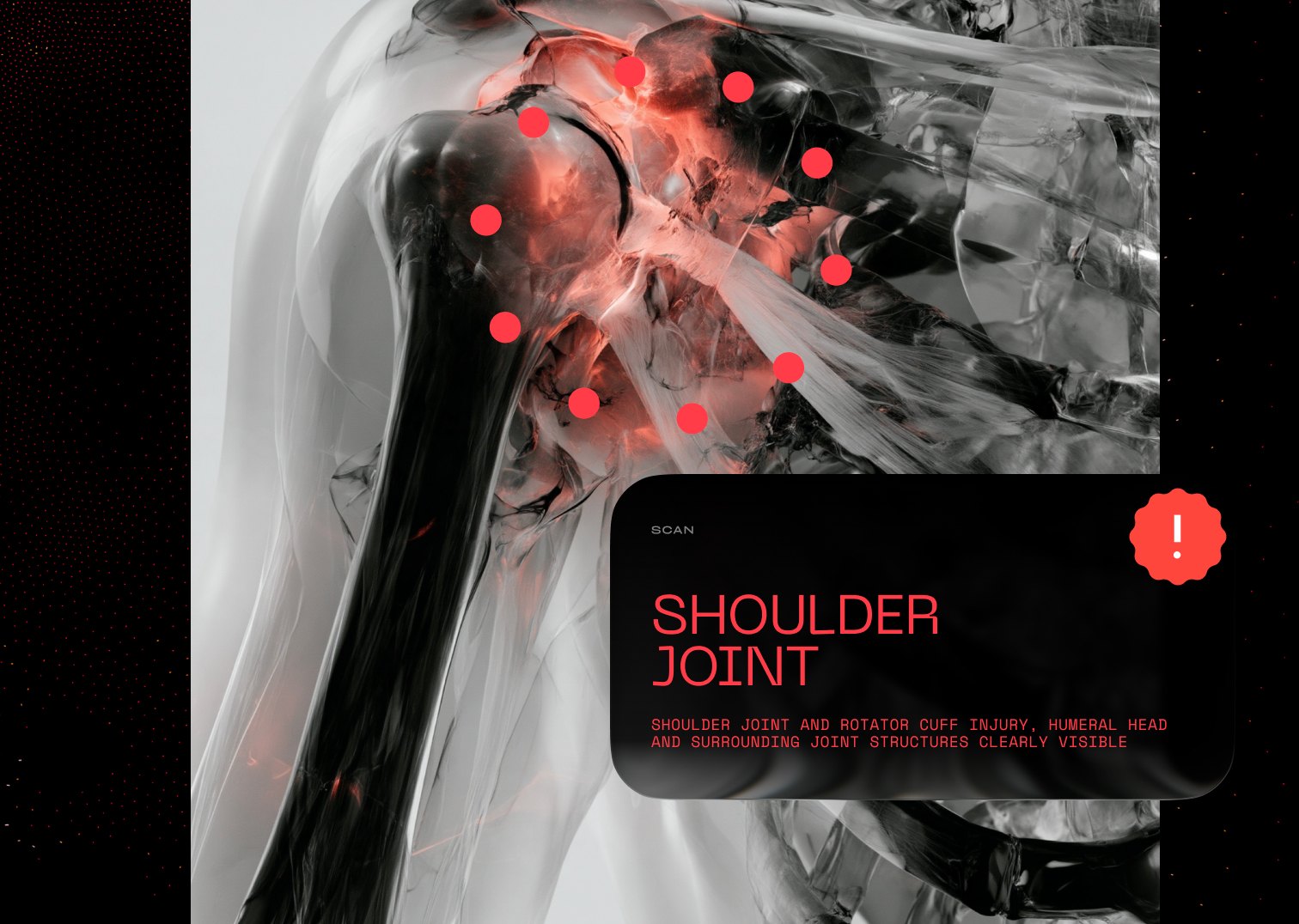
- Rugby and American football: concussions, ligament injuries, shoulder injuries, muscle tears.
- Running and endurance sports: stress fractures, Achilles tendinopathy, shin splints, overuse knee injuries.
Injury types typically reflect the demands of each sport. Sprint-based sports often lead to muscle injuries, contact sports result in more collisions and joint injuries, and endurance sports frequently cause overuse conditions.
By age
Age is another factor that affects injury patterns. Young athletes are more prone to growth plate injuries due to ongoing bone development. Adults are more likely to experience tendon degeneration, muscle injuries, and chronic overuse conditions as tissue resilience decreases with age.
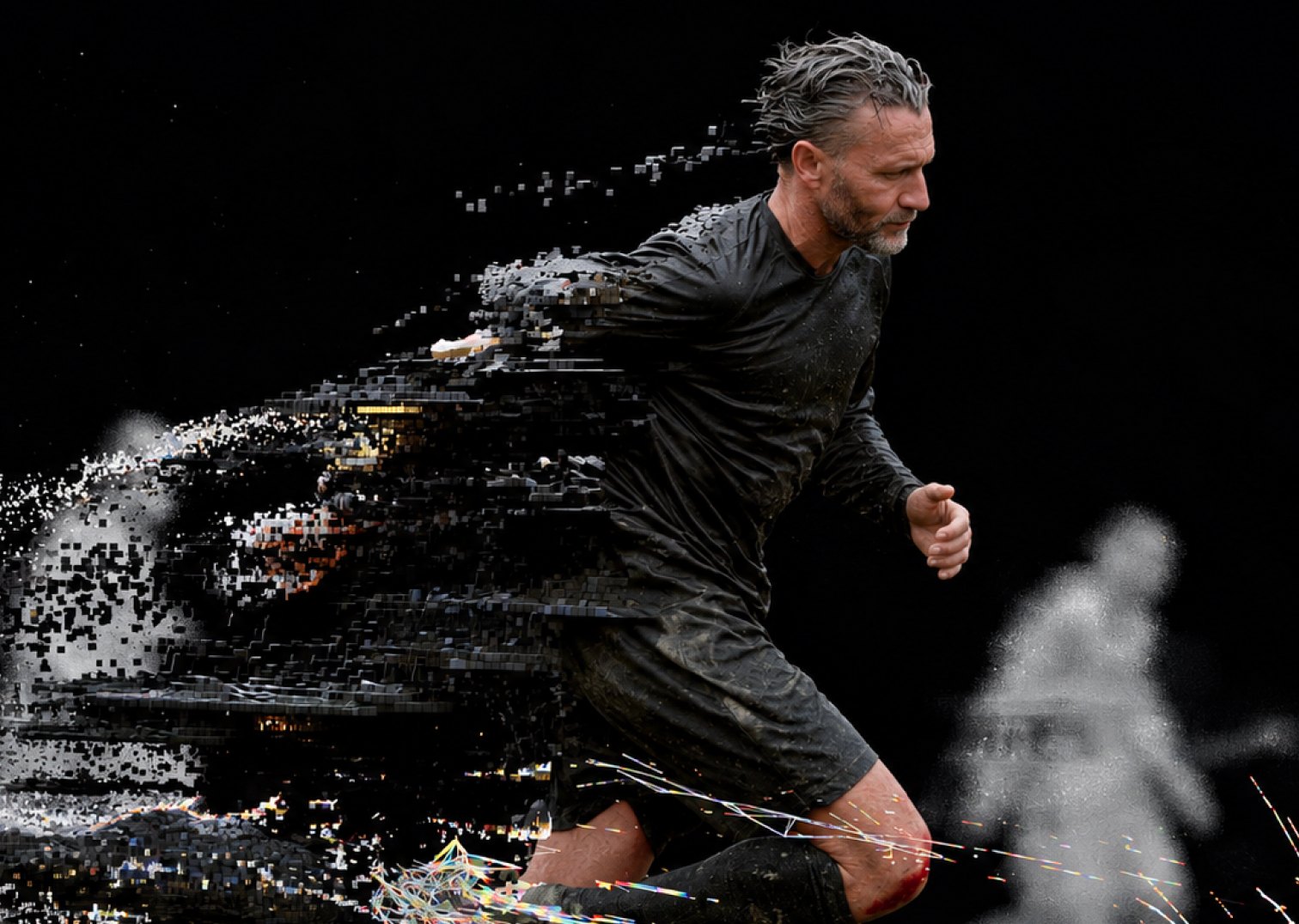
By sex
Research shows several differences between male and female athletes. Women face a higher risk of certain injuries, especially anterior cruciate ligament (ACL) tears and stress fractures. Men are more likely to sustain contact-related injuries, partly due to participation patterns and the physical demands of many male competitions.
Elite female footballers were six times more likely to suffer a muscle injury in the pre-menstrual phase and five times more likely in the early-mid luteal phase, compared with the menstrual phase. The authors caution that the sample was small, but argue that tracking cycle phase, symptoms, and injuries could help identify higher-risk windows and improve athlete support.

By level of competition
Injury risk typically rises with the level of competition. Professional athletes train more often, compete at higher intensities, and place greater physical demands on their bodies than recreational athletes. However, recreational athletes are also at risk. Inadequate conditioning, poor technique, rapid increases in training load, and insufficient recovery can increase the risk of injury, at any level.
Injury rates can differ significantly within the same sport, depending on the event. Data from international athletics competitions indicate that sprint and jumping events generally present a higher risk of time-loss injuries than middle- and long-distance races. Because of the specific characteristics of the muscles used in jumping, for men, the triple jump had the highest injury rate at 131.6 per 1,000 athletes, followed by the 200 m (104.5) and 5,000 m (102.6). For women, the heptathlon showed the highest rate at 137.9 per 1,000 athletes, followed by the 10,000 m (90.9) and 1,500 m (71.4). In contrast, events such as the 800 m, 20 km race walk, and some field disciplines reported few or no competition-related injuries. These results demonstrate that injury risk is influenced not only by the sport but also by the specific physical demands of each event.
While injury patterns vary across sports and athlete groups, one principle remains: injuries are more likely when physical demands exceed the body’s ability to adapt and recover.
Why do sports injuries happen?
Sports injuries typically result from either a single high-force event or the gradual accumulation of repeated stress.
- Acute injury: a sudden force exceeds the strength of the tissue, causing immediate damage. Typical examples: muscle strains, ligament tears, fractures, dislocations, concussions.
- Overuse injury: small amounts of tissue damage accumulate over time because recovery cannot keep pace with repeated loading. Typical examples: tendinopathy, stress fractures, shin splints, chronic knee or shoulder pain.
Acute injuries occur at a specific moment, such as during a collision, awkward landing, sudden change of direction, or powerful sprint. When the force on a muscle, ligament, or bone exceeds its capacity, immediate injury results.
Overuse injuries develop gradually. Each training session causes minor stress to muscles, tendons, and bones, which the body typically repairs during recovery. If training volume or intensity increases too quickly, or recovery is insufficient, this damage accumulates. Over time, healthy tissue is replaced by damaged tissue, leading to pain and injury.
Recovery is essential to this process. Training does not strengthen tissues; adaptation occurs afterward. If athletes train again before full recovery, the body’s ability to repair microscopic damage declines, increasing injury risk. For instance, of the 35 rugby players analysed, 14 (40%) players had more than 1 injury and 47 contact injuries were sustained over 29 matches.
Fatigue further increases injury risk. As athletes tire, movement quality declines: running becomes less efficient, landing mechanics worsen, and coordination decreases. Even minor changes can increase stress on muscles, ligaments, and joints, raising the likelihood of injury.
Modern sports medicine views injuries as resulting from an imbalance between load and capacity. When the body tolerates physical demands, tissues adapt and strengthen. If demands consistently exceed capacity, injury risk increases.
What increases the risk of sports injuries?
Sports injuries typically result from multiple factors that either increase stress on the body’s tissues or reduce the body’s ability to manage that stress.
The most important risk factors include:
- Previous injuries. A prior injury is a strong predictor of future injury. Muscles, ligaments, or tendons may not fully regain their original strength and resilience, increasing the risk of reinjury.
- Muscle weakness and imbalance. Significant strength differences between muscle groups can alter movement patterns, placing excessive stress on joints, muscles, or tendons during activity.
- Limited mobility. Reduced flexibility or restricted joint movement can change how an athlete moves, increasing tissue loading and the risk of injury over time.
- Excessive training load. Rapid increases in training intensity, frequency, or duration raise the risk of acute and overuse injuries. The body requires time to adapt to greater demands.
- Insufficient recovery. Recovery is the process by which muscles, tendons, and bones repair the microscopic damage caused by training. Without adequate rest, tissues become progressively more vulnerable to injury.
- Environmental factors. Playing surfaces, weather, and poorly fitted equipment can affect injury risk by altering movement patterns or increasing forces on the body. The playing surface is treated seriously enough that Tottenham included its retractable stadium pitch in a wider review of the club’s injury crisis. The club has been running independent tests on pitch bounce and plans further comparisons with other Premier League surfaces, although the results so far remain inconclusive.
- Psychological factors. Mental fatigue, stress, anxiety, and reduced concentration can impair decision-making and movement quality, increasing the risk of errors or delayed reactions during competition.
- Individual characteristics. Age, anatomy, and certain genetic factors may influence how well an athlete tolerates physical loading. For example, variations in genes involved in collagen production are linked to increased susceptibility to certain tendon injuries and stress fractures.
Sports injuries rarely result from a single cause. They typically develop when multiple risk factors combine, gradually exceeding what the body’s tissues can safely tolerate.