
“Data should inform decisions, but it shouldn’t replace relationships”

Michael Clarkson serves as Vice President at Bloom Sports Partners and advises Sportsmith. At Bloom, he helps elite sports teams and leagues find and hire top leaders like CEOs, sporting directors, head coaches, and performance directors. He also reviews and improves performance environments for these organizations. With Sportsmith, Michael has helped build the largest global community of performance and medical professionals, encouraging knowledge sharing across elite sports.

Michael talks about how performance departments have changed over the last ten years, what clubs look for in performance leaders, and how to balance data with human expertise. He also explains why trust, communication, and a strong culture matter more than any technology or process.
How has the role of performance departments changed over the last decade?
Michael Clarkson: Roles and departments changed a lot. I’d probably go back even further—to the mid-to-late 1990s—when you first started to see performance and sports science roles emerge. Before that, responsibility for what we’d have called “fitness” largely sat with the coach. The focus was much more on the technical and tactical side than on human performance or sports science.
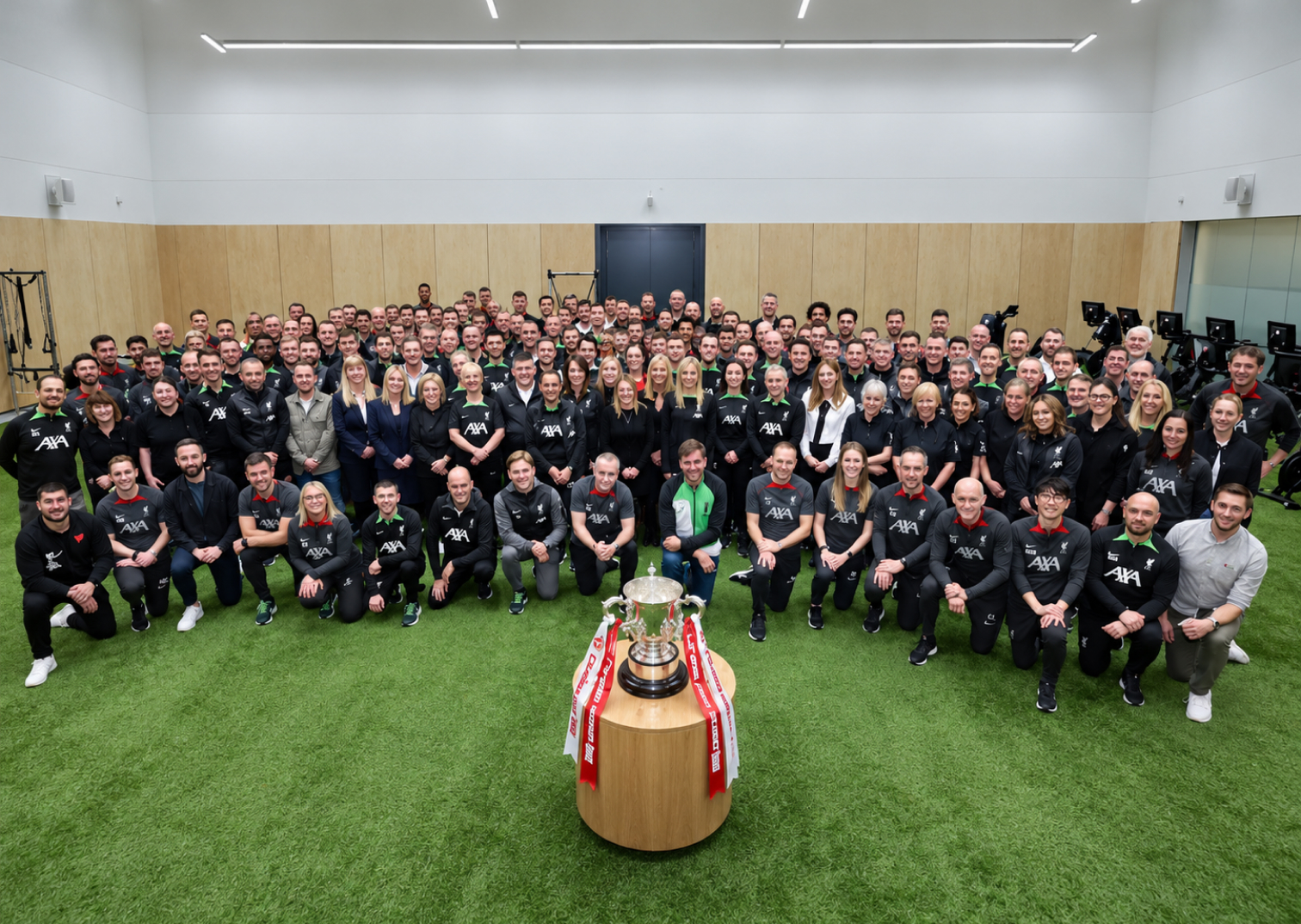
The biggest change is that the teams around players are bigger than ever. If you compare team photos from 10, 20 or 30 years ago with those taken today, you’ll see just how much the staff and infrastructure have grown.
The second change is specialization. As departments have expanded, they’ve created space for much more niche roles. A good example is the rehab coach—someone whose entire focus is managing an athlete’s return from injury. Another is the performance scientist: often someone with a strong analytical or data science background whose role is dedicated to performance data and human performance rather than the technical or tactical side of the game. You can see the same trend across football with roles like dedicated set-piece coaches.
The third change is that performance has become much more data-informed. Sometimes perhaps too data-informed. The challenge today is finding the right balance—using data to inform decisions without losing the relationships with athletes and coaches or the human side of performance.
When clubs are looking for a Head of Performance today, what do they focus on? What are the common traits they’re looking for?
Michael Clarkson: As you know, I do a lot of recruitment for Performance Directors and Heads of Performance. One thing I’ve learned is that the title means very little. You can have three people with the same title whose day-to-day responsibilities look completely different. When I’m helping a club recruit for this role, it’s less about the title and more about getting a few core spectrums right.
The first is strategic versus hands-on. How much time do you want this person spending with athletes? Should they be on the training pitch every day, or leading the department from a more strategic perspective? That often depends on the size of the team and how much time they need to spend managing people versus delivering themselves.
The second is functional expertise. Some clubs want someone with a performance background, while others are looking for someone who’s more medically focused. Sometimes that’s driven by the club’s philosophy, and sometimes it’s simply a reaction to the profile of the previous person in the role.
Another important question is sporting expertise. Head coaches usually stay within their sport, but performance leaders often move between sports. Some clubs want someone with deep football experience, while others are willing to bring in someone from another sport if they have the right ingredients and can offer a different perspective.
The last piece is decision-making. How data-driven do you want this person to be?
If a candidate believes strongly in data, but the club doesn’t, that’s probably not the right fit. Philosophical alignment is really important.
And then, if I’m honest, reputation matters massively. Football is a small world. References happen, back-channel conversations happen, and all it takes is one phone call from someone who had a bad experience working with you. You can tick every other box, but if your reputation isn’t strong, things can fall apart very quickly.
Being a good human and a good professional is still one of the most important qualities you can have.
So, performance departments now have more data than ever before. In your opinion, what’s the right balance between data and hands-on experience?
Michael Clarkson: One of the biggest lessons I learned came from Chris Barnes. He talked a lot about starting with performance questions. If you’re collecting data for the sake of collecting data and hoping it will tell you something useful, it can become a very empty and meaningless exercise.
The first question should always be: What performance question are we trying to answer? Once everyone is aligned on that, you can decide what data you actually need.
The second part is understanding the process. Once you’ve collected the data, what are you going to do with it? Where is the insight going to come from, and how is it going to influence behaviour or decision-making? Collecting data is one thing, but you need a clear path from information to action.
The final piece is communication. The way performance staff look at data is very different from the way an executive, sporting director or head coach will look at it. You need to understand what each audience needs and present information in a way that helps them make decisions. At the end of the day, you’re trying to influence people, not just build dashboards.
And what are the main reasons performance departments fail or get stuck?
Michael Clarkson: We’ve touched on this already, but for me it comes down to three connected things: trust, relationships and alignment.
The biggest issue is when a performance department loses the trust of its key stakeholders—whether that’s the head coach, the sporting director, the CEO or the players. Once those relationships break down, it doesn’t matter how good your systems or processes are.
The second issue is communication. As performance teams have grown, communication has become much more complex. There’s more information to share, more people involved and more opportunities for things to get lost.
The best environments I’ve seen are very deliberate about communication. They have strong internal alignment before communicating with coaches and other departments, and they regularly debrief to make sure everyone stays on the same page. You can usually recognize a well-run performance department by the quality of those conversations.
What’s the best way for performance departments to communicate information about players’ development and wellbeing?
Michael Clarkson: There’s definitely both an art and a science to it. Data-informed discussions are really healthy because they help move conversations beyond individual opinions and create alignment around decisions.
At the same time, these are human beings, and performance is rarely black and white. That’s why it’s so important to create an environment where people feel comfortable speaking up, challenging the data or adding context based on their experience.
The best teams I’ve seen combine both. They use dashboards that give people the information they actually need, but they also create space for discussion. The goal isn’t to let the data make the decision—it’s to use data and expertise together to arrive at a better outcome.
If you could change one thing about performance departments—or football organizations in general—what would it be?
Michael Clarkson: This is probably my soapbox topic. One challenge in sport is that everything revolves around results. Unlike most businesses, where performance might be reviewed every quarter, football gives you feedback every few days.
You win, draw or lose, and that creates a very emotional environment. The result is often short-term thinking, where people become focused only on the next game.
I think sports organizations could do a better job of balancing those short-term demands with a longer-term view. Just as importantly, they should pay more attention to organizational health. How aligned are people? Do they trust each other? Do they feel supported and developed? Those are leading indicators of performance, not just nice things to have.
The other thing I’d change is how we prepare people working in performance. We spend years learning science, but much less time learning how to influence, communicate and present ideas. In the end, you’re trying to help people make better decisions. Unless you can communicate your expertise in a way that matters to coaches, executives or players, that expertise has limited impact.

So the key is understanding the goals of the person you’re speaking to and framing your message in a way that makes sense to them?
Michael Clarkson: Exactly. The analogy I always come back to is doctors and nurses. We’ve all had great experiences and bad experiences.
The best ones make you feel that they genuinely care. They explain things in a way you can understand, and you leave knowing what the plan is and believing they’re trying to help you. The bad experiences are usually the opposite. There’s no empathy, and the explanation is so technical that you don’t really understand what’s being said.
I think it’s the same in sport. Many performance roles are highly technical and science-based, but the best practitioners know how to translate that expertise into something people can understand and act on. If you can combine the technical knowledge with those communication skills, that’s where the real impact comes from.