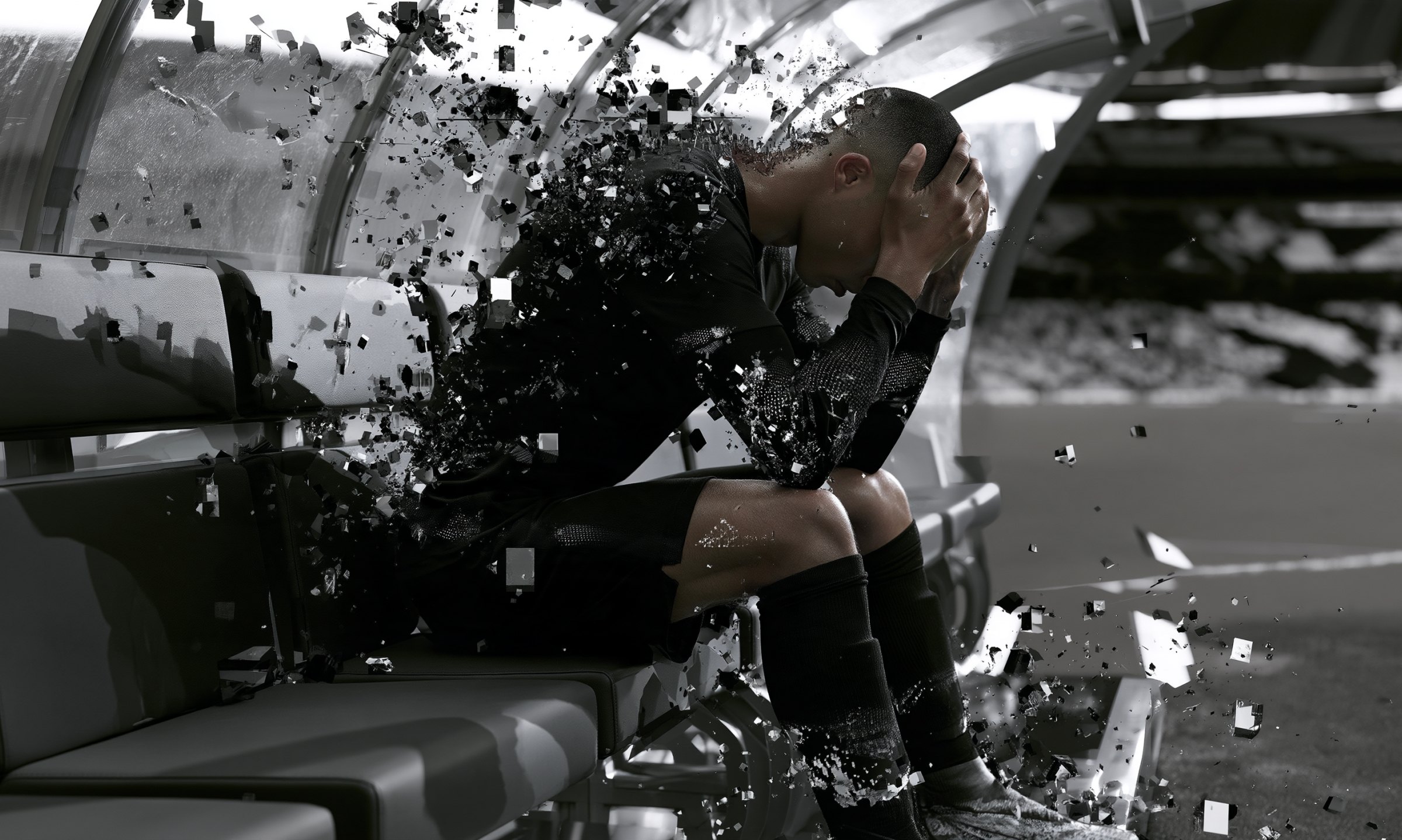
8 Career-Defining Sports Injuries — and What They Reveal About Recovery

In elite sports, injuries are rarely limited to medical diagnoses. They can alter a season, force strategic changes, disrupt an athlete’s development, or, in severe cases, jeopardize an entire career. However, assessing the full impact of an injury is challenging. Public reports typically state what occurred, the procedure performed, and when the athlete returned to competition. They rarely indicate when the athlete regained their prior strength or performance.
The financial impact is similarly difficult to isolate. Transfer fees and reported salaries are often publicly available, but they reveal only part of the picture. An injury may also affect a player’s market value, availability for key matches, a club’s sporting results, and potentially its commercial performance. Separating these effects from other factors is rarely straightforward.
For this reason, the sporting consequences — time missed, competitions lost, and changes in performance after return — are usually easier to assess than the total financial cost.
Neymar Jr.: ACL and meniscus damage
On 17 October 2023, Neymar sustained a severe left knee injury during Brazil’s World Cup qualifier against Uruguay. He was diagnosed with a ruptured anterior cruciate ligament (ACL) and meniscus damage.
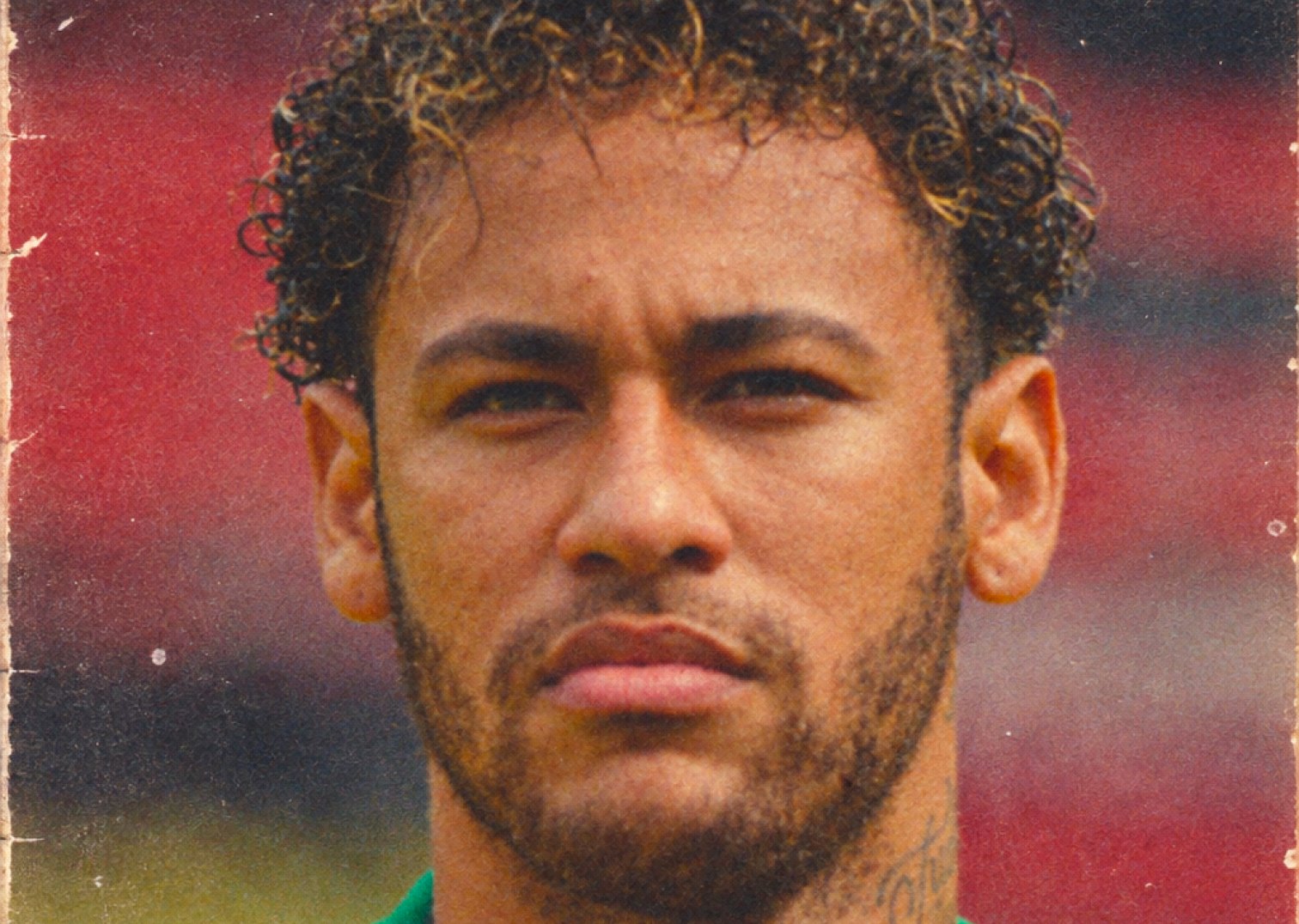
ACL injuries typically occur when the foot is planted, and the knee rotates or collapses inward. Meniscus damage further complicates both surgery and rehabilitation.
According to Reuters, Neymar underwent surgery on 2 November 2023. He did not return to competitive play until 21 October 2024, appearing for Al-Hilal against Al Ain.
His absence lasted 370 days, exceeding the typical minimum nine-month return-to-sport period after ACL reconstruction. This duration is not uncommon for combined ligament and meniscus injuries. The impact extended beyond rehabilitation. Neymar missed the 2024 Copa América, and his tenure at Al-Hilal was disrupted, with only a few appearances before his departure.
Kevin Durant: ruptured Achilles tendon
Kevin Durant, a basketball player for the Houston Rockets and the U.S. national team, ruptured his right Achilles tendon on 10 June 2019 during Game 5 of the NBA Finals.
The Achilles tendon is essential for jumping, acceleration, and rapid changes of direction. Ruptures often occur during explosive push-offs, when the tendon is exposed to forces beyond its capacity.
Durant was already managing a calf injury before returning for the Finals. In the second quarter, he planted his right foot to accelerate and immediately fell. Reuters confirmed the Achilles rupture, and Durant underwent surgery two days later. He returned during the 2020 preseason and played his first regular-season game for the Brooklyn Nets on 22 December 2020, 561 days after the injury. He missed the entire 2019/20 season.
While some athletes return to sport about six months after Achilles surgery, recovery for elite basketball players is typically more demanding. Medical clearance does not guarantee the explosiveness, reactive strength required at the NBA level.
Virgil van Dijk: ACL injury
Center back and captain of the English club Liverpool and the Netherlands national team Virgil van Dijk sustained a serious right-knee injury during Liverpool’s Merseyside derby against Everton on 17 October 2020, when Everton goalkeeper Jordan Pickford collided with him as he attempted to reach the ball in the penalty area.
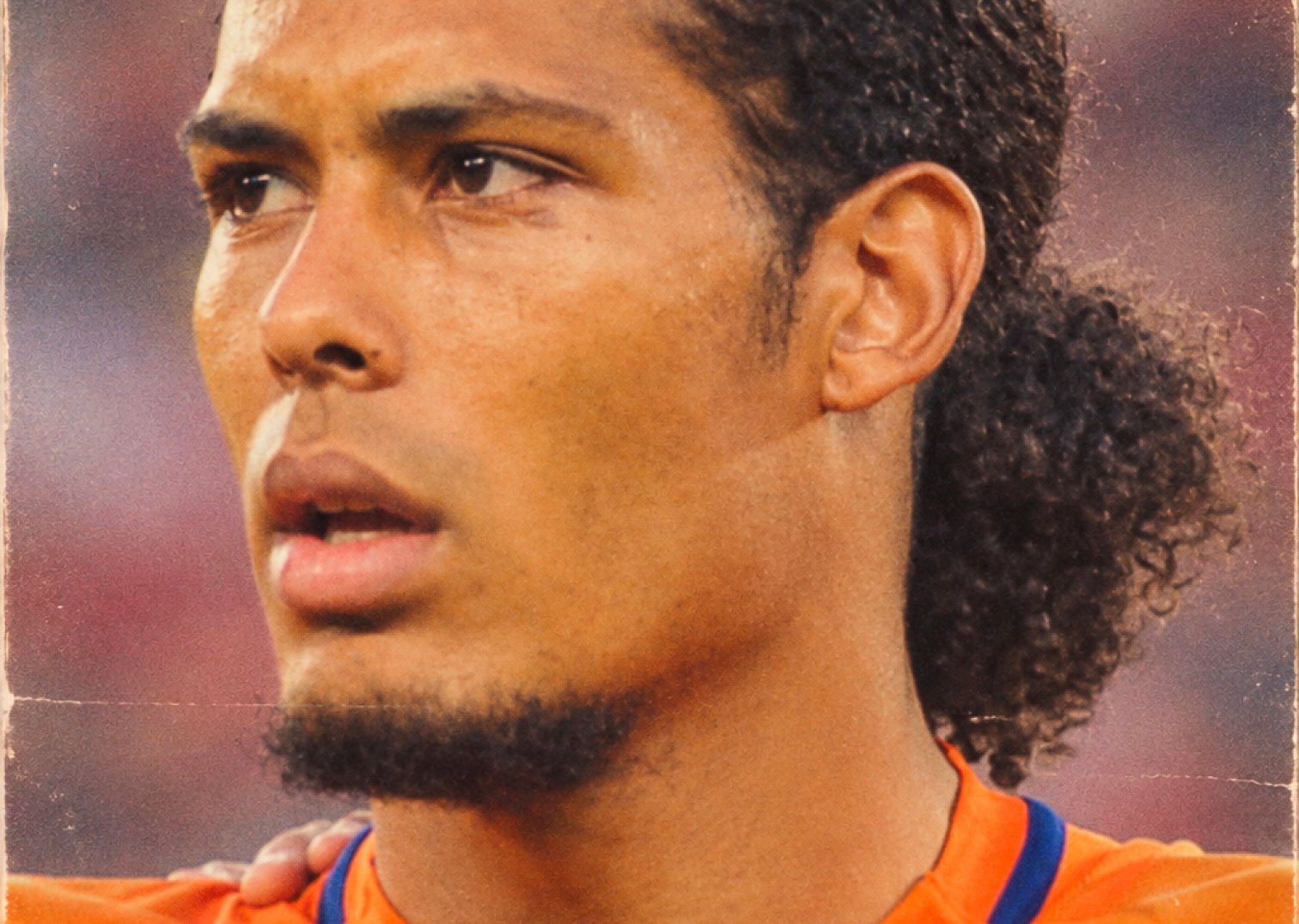
Liverpool described the injury as knee ligament damage requiring surgery, while reports identified it as an anterior cruciate ligament injury. Van Dijk underwent surgery later that month and began an extended rehabilitation with Liverpool’s medical team.
The ACL stabilizes the knee during rotation, deceleration, and changes of direction, all essential for a central defender responding to attackers at speed. Rehabilitation needed to restore knee strength as well as Van Dijk’s ability to sprint, jump, turn, tackle, and absorb contact.
He returned in a pre-season friendly on 29 July 2021. His first competitive match was against Norwich City on 14 August, where he played the full 90 minutes in Liverpool’s 3–0 Premier League win. His competitive absence lasted 301 days.
Van Dijk missed nearly the entire 2020/21 season and chose not to represent the Netherlands at the postponed Euro 2020, prioritizing his rehabilitation.
Rafael Nadal: iliopsoas injury
Rafael Nadal, a 22-time Grand Slam champion and former world No. 1, injured his left hip during the Australian Open on 18 January 2023. The injury affected the iliopsoas, a deep muscle and tendon complex essential for hip flexion and pelvic stability.
In tennis, the iliopsoas endures repeated acceleration, lunging, rotation, and rapid directional changes. Nadal’s reliance on explosive movement and extreme defensive positions made this injury especially challenging to overcome.
Initial treatment was conservative, but his recovery did not progress as expected. In June 2023, he underwent arthroscopic surgery to address both the iliopsoas injury and another longstanding hip issue. The surgery ended his 2023 season. Nadal returned to singles competition in Brisbane on 2 January 2024, 349 days after his initial injury. Effectively, he missed nearly an entire season.
Yulimar Rojas: Achilles tendon rupture
In April 2024, triple jump world-record holder Yulimar Rojas announced she had sustained an Achilles tendon injury during training and underwent surgery in Spain. As a result, she was unable to compete in the Paris Games.
Achilles tendon injuries pose a significant risk to jumpers, as the tendon transmits high forces during approach, take-off, and landing. After structural healing, athletes must restore calf strength, stiffness, coordination, and confidence under maximum load.
Rojas returned to competition on 9 March 2025, 331 days after her injury announcement. She chose to compete in the long jump instead of the triple jump, indicating a cautious and controlled reintroduction. Her recovery period of six to twelve months aligns with typical timelines for Achilles ruptures.
Alex Smith: compound leg fracture and infection
On 18 November 2018, Washington quarterback Alex Smith suffered a spiral and compound fracture of the tibia and fibula in his right leg after being tackled. The initial injury was severe, but complications made the case exceptional. Smith developed a serious infection after surgery, ultimately requiring 17 procedures. Doctors considered amputation while working to save his leg.
He gradually advanced from basic mobility to strength training, football drills, and eventually team practice. An NFL report documented his first quarterback repetitions following the injury. Smith returned to an NFL game on 11 October 2020, 693 days after the fracture. Washington was without its starting quarterback for nearly two full seasons.
Petr Čech: depressed skull fracture
Petr Čech sustained a depressed skull fracture during Chelsea’s Premier League match against Reading on 14 October 2006. Less than a minute after kick-off, he collided with Reading midfielder Stephen Hunt while diving for the ball.
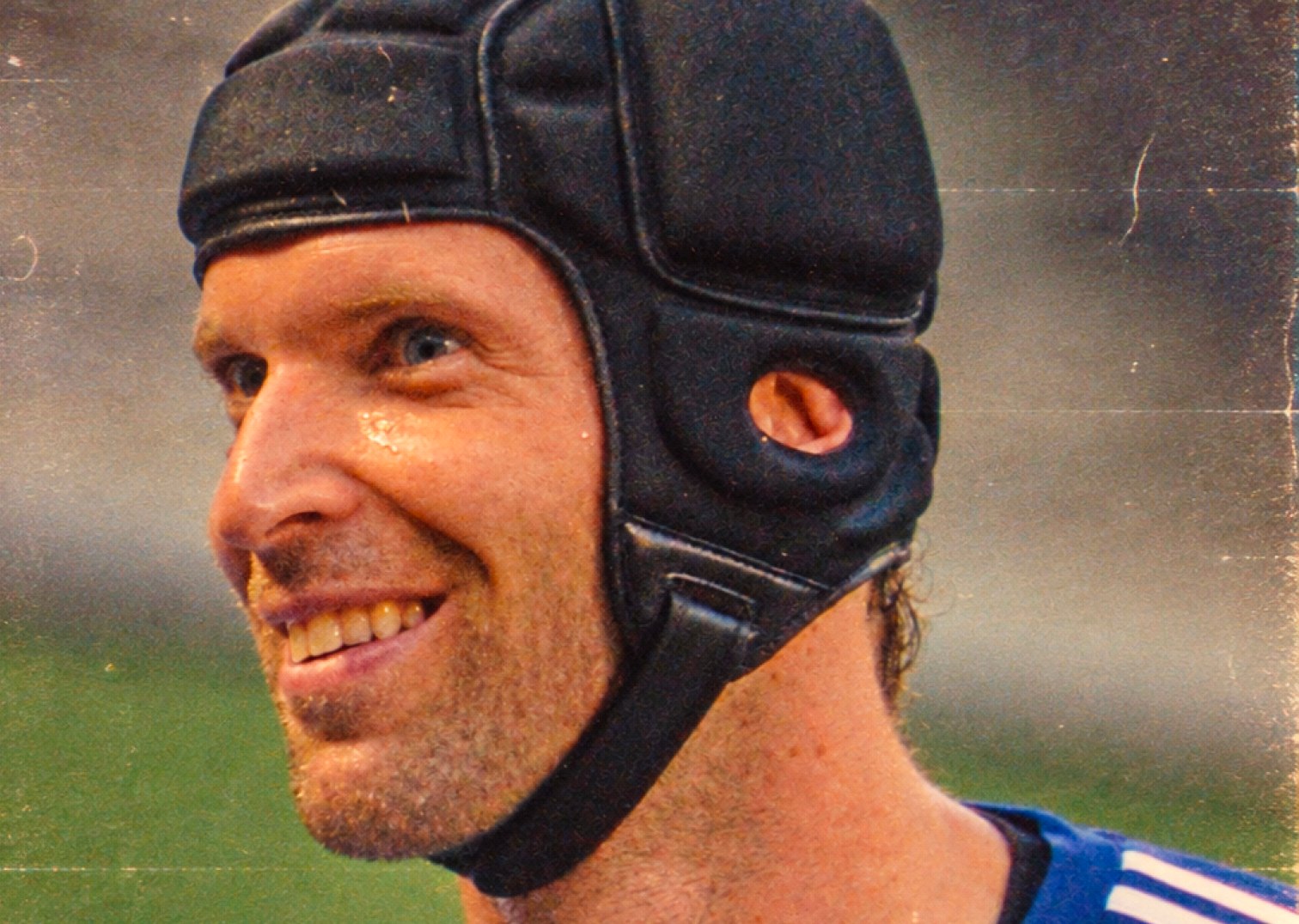
Čech was hospitalized and later transferred to a specialist brain-injury unit in Oxford. He underwent emergency surgery to have two metal plates fitted in his skull. Chelsea described the injury as life-threatening, and Čech stated he could not remember the collision for the next three days.
A depressed skull fracture occurs when part of the skull is pushed inward by a heavy impact. Unlike most musculoskeletal injuries, the primary concern is not just bone healing. Doctors must also evaluate brain health, neurological function, and the risk of further head injury.
Although initially expected to miss the rest of the season, Čech returned against Liverpool on 20 January 2007 after a 98-day absence. This match was also the first time he wore the protective headguard that became a permanent part of his equipment. The injury immediately impacted Chelsea’s squad. Reserve goalkeeper Carlo Cudicini was also removed after a separate collision in the same match, requiring captain John Terry to finish the game in goal. Chelsea temporarily lost its first-choice goalkeeper and faced an unusual medical and positional challenge.
Rebeca Andrade: third ACL rupture
Brazilian gymnast Rebeca Andrade tore the ACL in her right knee for the third time in June 2019.
Gymnastics places significant stress on the knee during take-off, twisting, and landing. Even minor misalignment at the end of a high-amplitude skill can subject the ACL to substantial rotational and valgus forces.
Following surgery and rehabilitation, Andrade returned to competition in March 2020, about nine months later. This timeline aligns with conservative return-to-sport recommendations after ACL reconstruction.
The broader impact was considerable. During Andrade’s Olympic breakthrough, her absence contributed to Brazil not qualifying a full women’s team for the Tokyo Games at the 2019 World Championships.
Andrade ultimately qualified individually and became one of the most successful gymnasts of her generation. Her experience demonstrates that repeated major injuries do not necessarily prevent athletes from achieving at a high level, but they make long-term load management and individualized rehabilitation essential.